
Landscape photography is a rewarding way to spend time outdoors. While good equipment helps, many of the biggest improvements come from understanding light, composition and patience rather than buying new gear.
Work With Natural Light
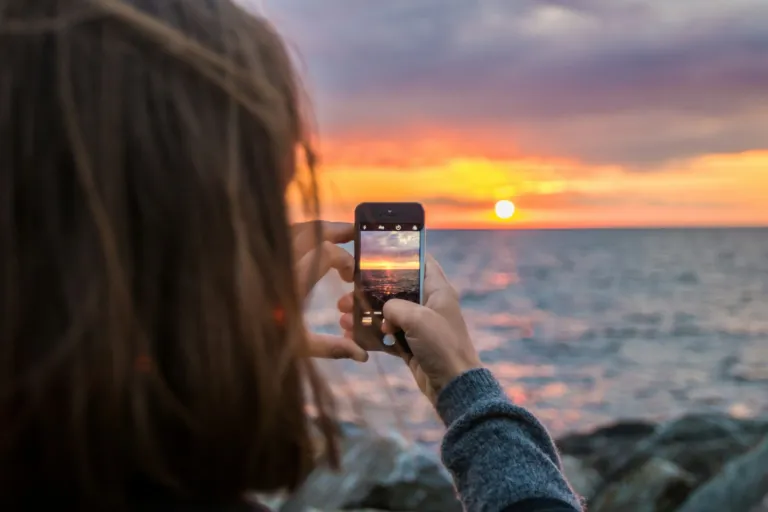
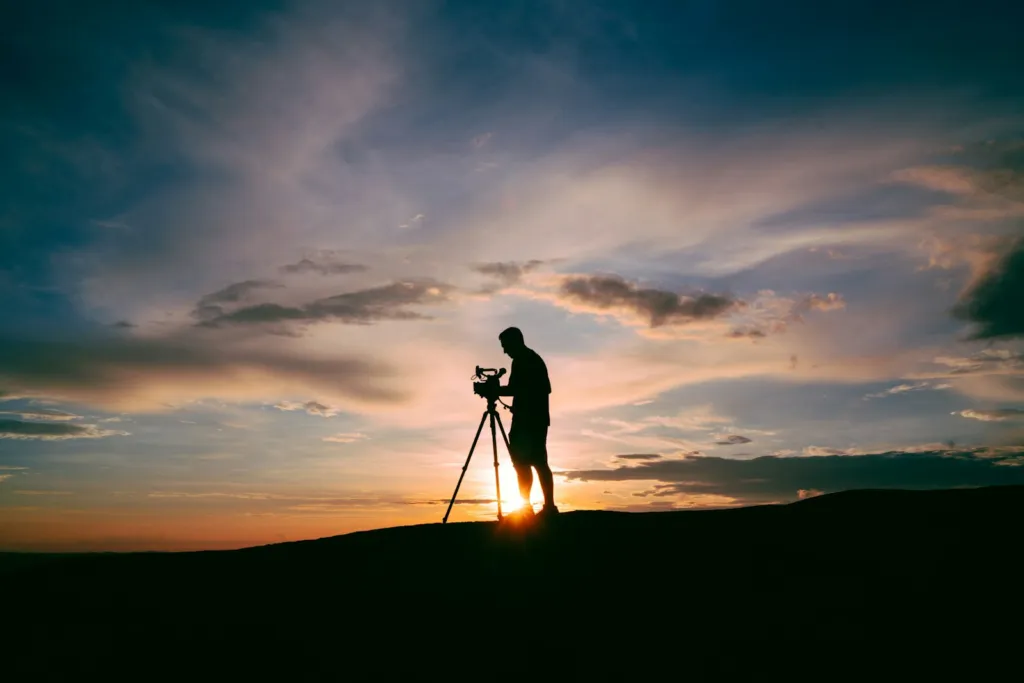
The hours shortly after sunrise and before sunset often produce soft, warm light and long shadows that add depth. Midday light can be harsh, so it is a good time to scout locations instead.
Cloudy days are not wasted either; they can create moody, even lighting.
Compose With Intention
Thoughtful composition turns a snapshot into a strong image. Try these techniques:
- Include a foreground element for depth
- Use leading lines like paths or rivers
- Keep the horizon straight
- Use a tripod for sharper shots in low light
Check the weather and plan your visit around the conditions you want. Mist, fresh snow or dramatic clouds can transform a familiar scene completely. It is also wise to arrive early, scout a few compositions and stay a little longer than planned, since the light often changes in surprising ways near the end.
Great landscape photos usually come from returning to places, watching the light and experimenting. Take your time, review your images afterwards and notice what works. Each outing will build your eye and confidence.
Find more practical guides on Math Tutors.org.