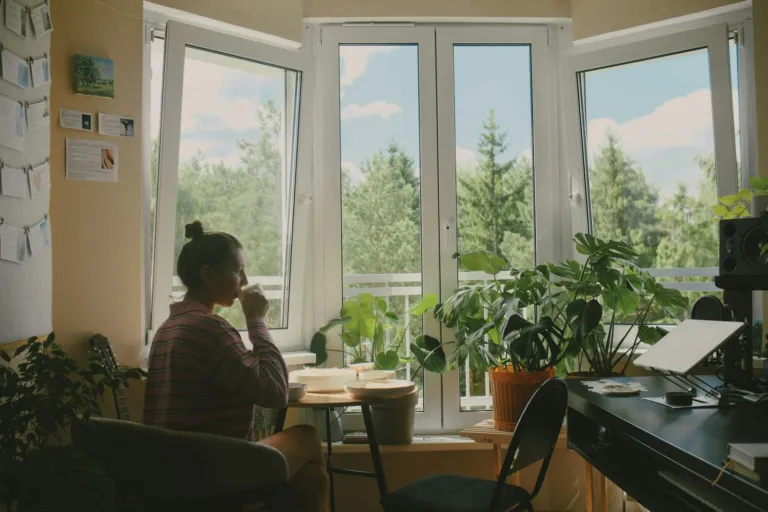


Good sleep affects mood, focus and energy, yet it is often the first thing sacrificed during a busy week. Improving sleep does not require expensive gadgets. Small, consistent changes to evenings and surroundings usually help the most.
Create a Wind-Down Window
The body responds well to signals that the day is ending. Dimming lights, putting screens away a little earlier, and doing something relaxing such as reading can make falling asleep feel more natural.
Keeping a similar bedtime and wake time, even on weekends, helps build a steady rhythm.
Make the Bedroom Restful
A comfortable environment supports deeper rest. Consider a few simple adjustments:
- Keep the room cool, dark and quiet
- Use the bed mainly for sleep and rest
- Limit caffeine later in the day
- Keep a notebook nearby to jot down lingering thoughts
Daytime habits also influence how well we rest at night. Getting some natural light in the morning, moving the body regularly and avoiding very heavy meals close to bedtime can all support a more settled evening. These changes are simple, but together they help the body recognise when it is time to rest.
Better sleep is built gradually. Choose one or two changes, give them a couple of weeks, and notice how you feel. If sleep problems continue, speaking with a healthcare professional is always a sensible step.
Discover more everyday guides at Math Tutors.org.