

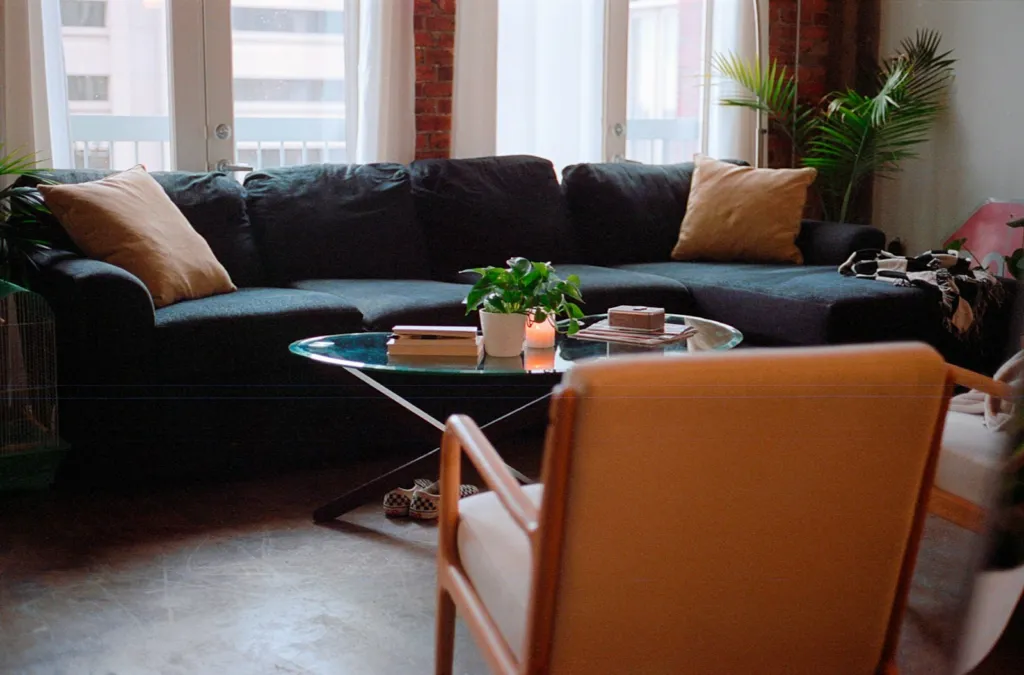
The first apartment had creaky floors, a stubborn window, and a kitchen barely big enough for one person. It was not impressive, but over the months it became something more valuable than a nicer place could have offered: a space that felt truly personal.
The Empty Rooms Phase
Moving day ended with a mattress on the floor and boxes stacked against every wall. There was no couch, no curtains, and only two plates. It felt temporary and a little lonely.
Instead of rushing to fill the rooms, things were added slowly. A second-hand table came first, then a lamp found at a weekend market, then a plant that somehow survived.
How a Place Becomes Home
Looking back, it was not the furniture that made the difference. It was the routines: cooking simple meals, inviting a friend over for tea, and learning which floorboards creaked late at night. Each small habit added a sense of belonging.
Mistakes were part of it too, like overfilling a bookshelf until it leaned or painting a wall a colour that looked very different in daylight.
Every first home teaches patience. It shows that comfort is built gradually, through use and care rather than through a single shopping trip. Years later, that small apartment remains a reminder that home is mostly about how a space is lived in.
Explore more articles like this on Math Tutors.org.