

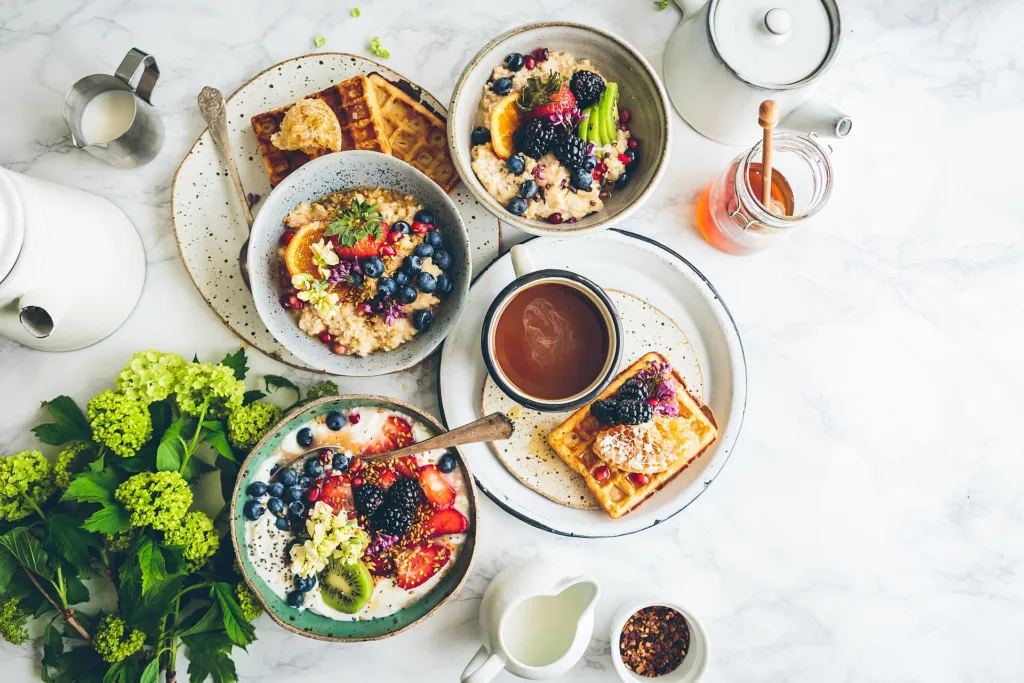
With so much conflicting advice about food, nutrition can feel confusing. Fortunately, the basics of a healthy diet are fairly consistent: a variety of whole foods, balanced portions and regular meals. Focusing on these fundamentals is more helpful than chasing the latest trend.
Building a Balanced Plate
A simple way to plan meals is to fill about half your plate with vegetables and fruit, a quarter with protein and a quarter with whole grains or other starchy foods. Adding a little healthy fat, such as olive oil or nuts, helps round out the meal.
Preparing meals at home gives you more control over ingredients, portion sizes and the amount of added salt and sugar. Even cooking a few extra meals each week can make a meaningful difference over time.
- Choose whole grains like oats and brown rice
- Include beans, fish, poultry or tofu for protein
- Eat a range of colorful vegetables
Mindful Eating Habits
How you eat matters too. Eating slowly, paying attention to hunger and fullness, and enjoying meals without distractions can help you feel more satisfied. Regular meal times also help keep energy levels steady throughout the day.
Healthy eating is about patterns over time, not single meals. If you have specific dietary needs, a registered dietitian can offer personalized advice that fits your lifestyle.
Find more practical guides on Math Tutors.org.