
Math.tutors.org games are free, browser-based math activities that turn everyday practice into play. Pick a skill such as times tables, fractions or geometry, match it to a grade band and play in short rounds, with no downloads and no sign-up. This page sorts the main game types by skill and grade, then shows how to use them at home, in class and safely on a school computer. For study guides and practice tips beyond the games, visit the Math Tutors.org homepage.
Key Takeaways
- Math games build fluency through short, repeated, low-pressure practice.
- Choose a game by skill first, then check that it fits the grade band.
- Short, regular sessions usually work better than one long weekly session.
- Safe school play means no downloads, no logins and care around ads.
- A quick talk about strategy after each game turns play into learning.

What Are Math Games and How Do They Help?
A math game is any activity with rules, a goal and a bit of challenge where the moves depend on math: adding dice totals, matching equivalent fractions or planning the shortest path on a grid. Because each round is quick, learners repeat a skill many times without the boredom of a worksheet.
Games also give instant feedback. A wrong move costs a point, not a grade, so children try again and adjust. The National Council of Teachers of Mathematics encourages teaching that asks students to reason and explain their thinking, and a well-chosen game creates natural moments for exactly that.
Instant Feedback
Every move shows right away whether a strategy worked.
Practice Without Boredom
Short rounds invite one more try instead of a sigh.
Lower Pressure
Mistakes feel like part of the game, not a failure.
Math Tutors.org Games by Skill
Start with the skill that needs the most work. The math.tutors.org games below fall into six types, each with classic formats you can play online or with paper, cards and dice.
Arithmetic Games
Target-number games, number bingo and dice races build fast addition and subtraction. Players race to make a set total, such as 20, from the numbers they roll or draw.
Times Tables Games
Multiplication card battles, speed grids and skip-counting chains help facts stick. Start with the 2, 5 and 10 tables, then add the trickier 6, 7 and 8 facts.
Fraction Games
Matching games pair equivalent fractions, decimals and pictures. Fraction-wall races and pizza-slice puzzles show why 2/4 and 1/2 are the same amount.
Geometry Games
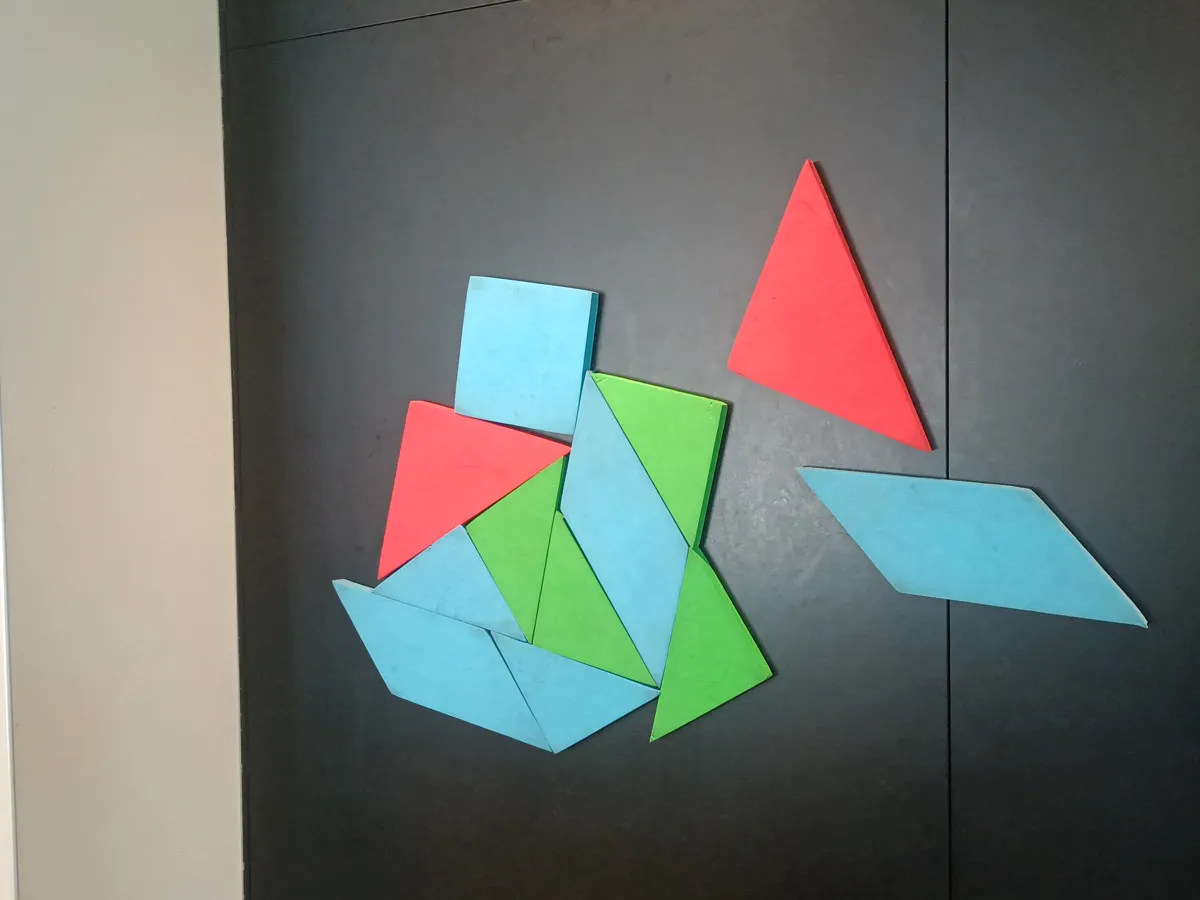
Tangrams, shape hunts and coordinate battleship build spatial sense. Players rotate, flip and fit shapes, which prepares them for area, symmetry and graphing.
Logic and Puzzle Games
Sudoku, KenKen-style grids and strategy games like Nim train careful reasoning. Players test ideas, spot patterns and plan several moves ahead.
Probability and Data Games
Dice and spinner games let older children predict outcomes, record results in tally charts and compare what they expected with what actually happened.
Math Games by Grade Level
The same game can be too easy for one child and frustrating for another. Use this table to match mathtutors.org games to the right grade band, then adjust the numbers or time limits as skills grow.
| Grade Band | Focus Skills | Good Game Types | Session Length |
|---|---|---|---|
| K–2 | Counting, number sense, addition and subtraction within 20, basic shapes | Dice races, number bingo, shape hunts | 5–10 minutes |
| 3–5 | Multiplication and division facts, fractions, place value, area | Times tables battles, fraction matching, target-number games | 10–15 minutes |
| 6–8 | Ratios, negative numbers, expressions, early algebra, probability | Integer card games, equation puzzles, probability experiments | 15–20 minutes |
| High school | Algebra, functions, geometry proofs, statistics | Logic grids, graphing challenges, strategy games like Nim | 15–25 minutes |
How to Use Math Games at Home and in Class
Math tutors org games work best as part of a routine rather than a reward at the end of the week. A few focused minutes, followed by a short conversation, gives children both practice and understanding.
At Home
- Play together for the first few rounds, then let your child lead.
- Pick a regular slot, such as after homework or before dinner.
- Ask “How did you work that out?” after a win or a loss.
- Keep a simple log of games played and skills practiced.
In the Classroom
- Use a game as a five-minute warm-up or an early-finisher task.
- Pair students so they explain moves to each other.
- Rotate stations: one game, one worksheet, one teacher table.
- Close with a quick exit question about the strategy used.
Math-Tutor.org Unblocked: Games You Can Play in a School Browser
Many students search for “math-tutor.org unblocked” because school filters block game sites. The honest answer is simple: choose games that run in a normal browser tab and follow your school’s rules, rather than trying to get around the filter.
- No downloads, browser extensions or installers
- No logins, email addresses or personal details
- Close pop-ups and never click ads inside a game
- Avoid proxy or mirror sites that copy games
- Ask a teacher before playing during class time
- Stop when the timer ends and get back to work
Why skip mirror sites? Unofficial “unblocked” copies often carry heavy ads, trackers or harmful downloads, and using them can break a school’s acceptable-use policy. Free educational pages such as NASA Space Place games show what safe, browser-based play looks like.
Getting Started With Math-Tutors.org Games
New to math-tutors.org games? These four steps keep the first week simple and build a habit that lasts.
Pick One Skill
Choose the topic that causes the most trouble, such as the 7 times table.
Set a Timer
Play for 10 minutes so the session ends while it is still fun.
Play Together
Join the first rounds, then step back as confidence grows.
Talk Strategy
Finish by sharing one trick that helped and one move to try next time.
Keep Learning Beyond the Games
Math.tutors.org games are one part of steady progress. Pair them with our math study habits that work, plan ahead with an exam prep plan for math tests and browse the Education section for more learning guides. For family fun away from the screen, try these board game night ideas or visit our Entertainment section for movies, music and games. Older learners who enjoy a challenge can also explore the free problems on NRICH from the University of Cambridge.
Math Tutors.org Games FAQs
What are math.tutors.org games?
Math.tutors.org games are free math games and practice activities grouped by skill and grade level. They cover arithmetic, times tables, fractions, geometry, logic and probability, and they are designed for short, focused sessions that children can play at home or at school without downloads or accounts.
Are mathtutors.org games free to play?
Yes. Mathtutors.org games and the guides on this page are free to use, with no subscription or sign-up. You only need a web browser, or in many cases a pencil, a deck of cards and a pair of dice to play the offline versions described above with a child or a class.
Can I play math-tutors.org games on a school computer?
Math-tutors.org games run in a standard browser tab and do not ask for logins or downloads, which suits most school devices. Always follow your school’s rules, ask a teacher before playing during lessons and never use a VPN, proxy or extension to get around a school filter.
Which math tutors org games suit younger children?
For kindergarten to grade 2, start with math tutors org games built on counting and simple sums, such as dice races, number bingo and shape hunts. Keep sessions to five or ten minutes, play alongside your child and increase the numbers only when the current level feels easy.
Is there a math-tutor.org unblocked version of the games?
No special unblocked version is needed. The games and ideas on this page work in an ordinary browser, and most can be played with paper and dice. Avoid sites that promise math-tutor.org unblocked copies, because mirror sites often carry intrusive ads, trackers or unsafe downloads.
Find More Free Math Help
Games make practice fun, and our guides make it stick. Head back to the math tutor org homepage for study tips, test preparation advice and step-by-step help across every grade.