
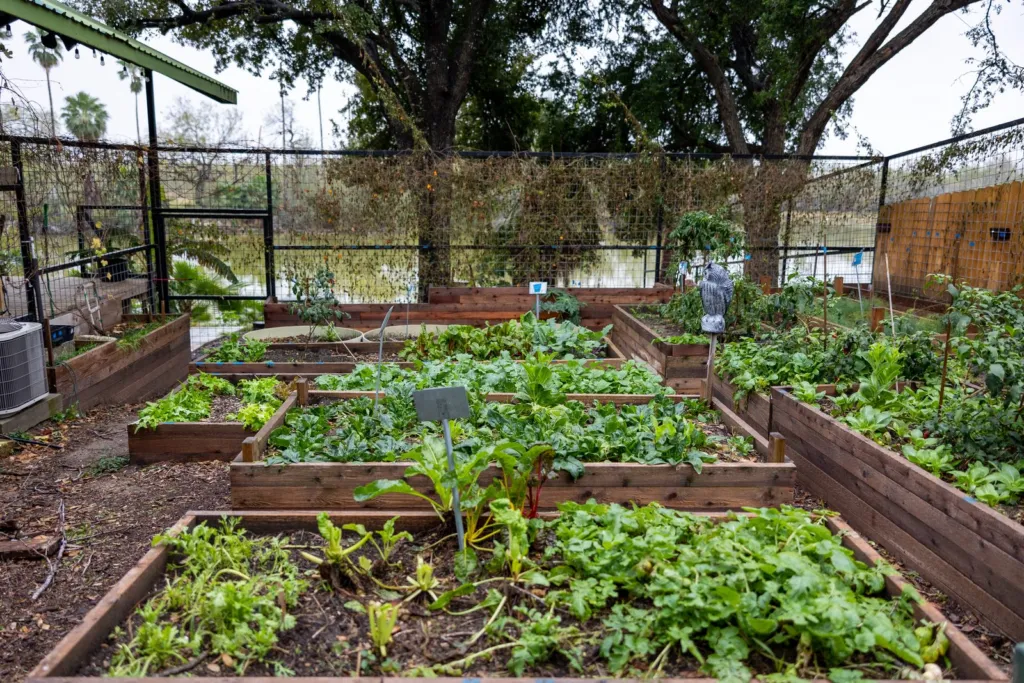
There is something special about picking fresh vegetables from your own garden. You do not need acres of land to enjoy it, either. A small, well-planned plot or a few raised beds can produce a surprising amount of food through the growing season.
Choose the Right Spot
Most vegetables need plenty of sunlight, so look for an area that gets at least six hours of direct sun a day. Good drainage matters too. If your soil is heavy or poor, raised beds filled with quality soil and compost are a practical solution.
- Pick a sunny, sheltered location
- Improve the soil with compost
- Keep a water source close by
Before planting, clear away weeds and loosen the soil so young roots can spread easily. Planning your layout on paper first helps you space plants properly and make the most of the area.
Start With Easy Crops
Beginners often have success with lettuce, radishes, herbs, beans and tomatoes. Start small so the garden stays manageable, and plant only what your household enjoys eating. Water consistently and check plants regularly for pests.
Mulching around plants helps retain moisture and keeps weeds down, saving you time. Harvest regularly too, since many crops such as beans and herbs produce more when they are picked often.
Your first garden is a learning experience. Keep notes on what grows well, enjoy the harvest and expand gradually as your confidence grows.
Explore more articles like this on Math Tutors.org.