
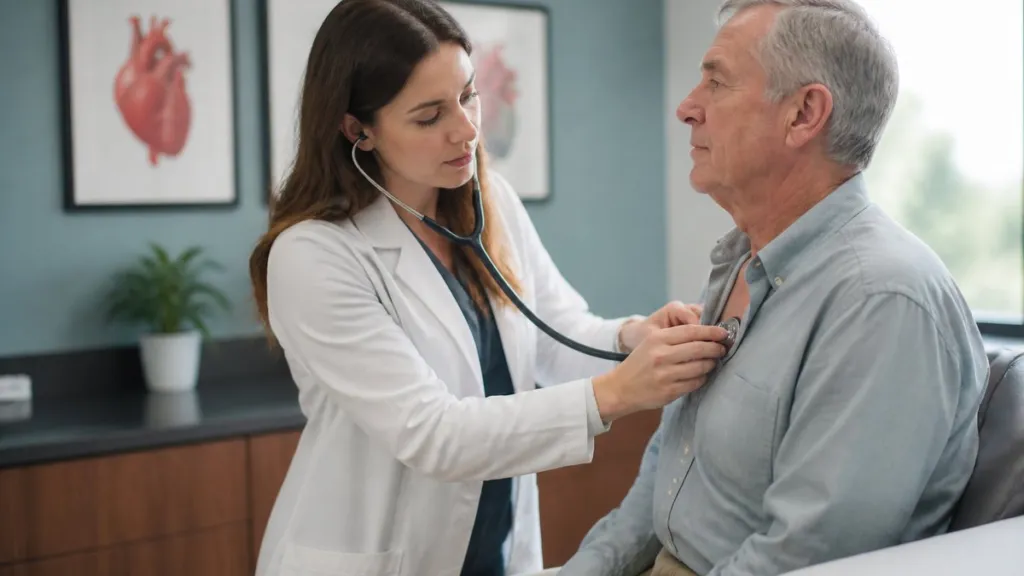
Preventive cardiology focuses on finding heart and vascular issues early and managing risk before serious events develop. Diagnostic imaging and functional tests give cardiologists detailed information about how the heart and blood vessels work, and this information shapes a tailored plan for each person. These tests help track changes over time, guide treatment, and support long-term heart health. This guide is one of the free everyday reads on Math Tutors Org. Here is more information on preventive cardiology solutions:
Echocardiogram
In preventive cardiology, an echocardiogram uses ultrasound waves to create moving images of the heart, and it shows how the chambers and valves function. The test measures how strongly the heart pumps. It also shows whether the walls move evenly or if any areas appear stiff or thinned. The images appear in real time. The cardiologist can view blood flow patterns, and they assess how pressure and volume affect the heart’s workload with each beat.
Electrocardiogram
An electrocardiogram records the heart’s electrical activity and translates it into a series of waves and intervals on graph paper or a screen. The test identifies rhythm patterns. It also reveals whether the electrical signals travel through the heart’s conduction system in a regular way. Some changes in the tracing suggest strain on the heart muscle, while other changes point to previous injury or blood flow problems.
During a standard resting electrocardiogram, electrodes attach to the chest, arms, and legs, and the recording may take only a few minutes. Because the test is noninvasive, it fits into routine cardiovascular risk evaluations. It serves as a baseline for future comparisons. In preventive cardiology, repeated electrocardiograms help track rhythm changes and support early responses to new symptoms or evolving risk profiles.
Vascular Ultrasound
Vascular ultrasound uses sound waves to evaluate blood vessels, and it focuses on arteries and veins outside the heart. The test shows vessel structure and measures blood flow speed and direction through different segments. Potential uses for vascular ultrasound include the following:
- Evaluating blood flow in neck arteries that supply the brain
- Assessing arteries in the legs for narrowing or blockages
- Reviewing vein function in the legs when swelling or discomfort appears
- Monitoring known vascular conditions for changes over time
Stress Test
A stress test evaluates how the heart responds to increased workload, and it links symptoms, heart rate, blood pressure, and electrical activity during exertion. Some versions use a treadmill or stationary bike. The intensity rises gradually while heart rhythm and blood pressure are recorded. When exercise is not possible, medication creates a similar increase in workload, and imaging or electrocardiogram tracings document the response.
Stress testing looks for changes that suggest reduced blood flow to the heart muscle. It also highlights rhythm issues that appear only with exertion. These findings help align activity recommendations with each person’s capacity, and they support decisions about further imaging or medical therapy. Stress tests also serve as a reference point. Repeat testing shows whether fitness, symptoms, or heart response improve as risk factors are addressed.
Learn More About Preventive Cardiology
When diagnostic tools work together, they provide a detailed understanding of heart and vascular health that shapes a practical prevention plan. Echocardiograms, electrocardiograms, vascular ultrasound, and stress tests each answer different questions, and their combined findings support earlier intervention and more precise monitoring. Preventive cardiology uses this information to align treatment and follow-up with each person’s risk profile and long-term goals. Schedule a consultation with a cardiologist today.
Find more practical guides on Math-Tutors.org.
- Internal Medicine and Building Strong Relationships with Your Healthcare Provider
- Recognizing Potential Complications From Cysts on the Eye
- What To Expect During Your First Tree Service Consultation
- Innovative Uses of Cryoablation in Pain Management and Treatment
- Exploring the Long-Term Outcomes of Mohs Surgery for Skin Cancer Patients