
Skin cancer treatment often involves more than removing a visible spot on the surface. Mohs skin cancer surgery uses a staged approach that evaluates tissue during the procedure, which helps target cancer cells. Long-term outcomes matter to people who want effective treatment and predictable healing. Patients face strong sun exposure throughout the year, so they often look for options that balance cancer control and appearance.
How Mohs Surgery Supports Control
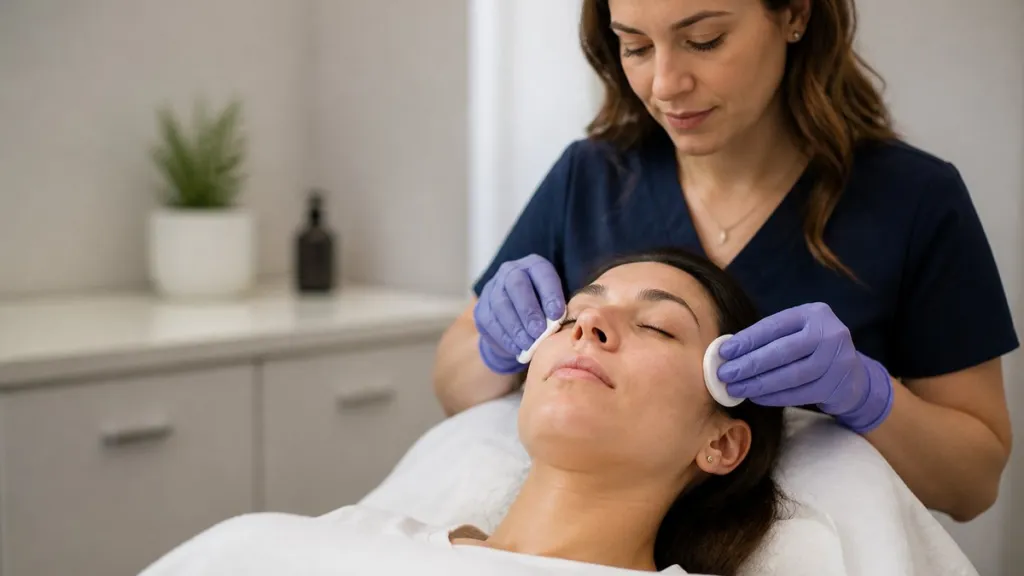
Mohs skin cancer surgery removes thin layers of tissue and examines them while the patient remains in the treatment chair. The surgeon tracks exactly where cancer cells appear, and they map those locations so removal stays precise. This process continues until the examined layer shows no remaining cancer cells, which limits the chance of leaving behind microscopic disease. Because the method follows cancer roots in real time, it often supports strong long-term control. This includes certain skin cancers on the head, neck, and other high-risk sites.
What Outcomes Can Occur
Long-term results from surgery affect both how the area works and how it looks. The technique focuses on keeping as much healthy tissue as possible, and that approach often supports better motion and sensation near the treated site. This matters in areas like the eyelids, nose, lips, and ears, where even small changes influence daily tasks such as blinking or speaking. Since the procedure targets only tissue with cancer involvement, it often preserves more normal skin for reconstruction.
- Small wounds often allow more flexible reconstruction options that align with surrounding features.
- Careful planning helps scars blend with natural lines and shadows on the face.
- Preserved nerves and structures support long-term movement and expression.
- Gradual scar remodeling over months often softens and flattens the treated area.
- Consistent follow-up visits give the care team chances to address stiffness, texture, or pigment changes.
Why Surgery is Chosen
Sun exposes skin to strong ultraviolet radiation during most months, and that exposure influences long-term outcomes after surgery. People who protect their skin with clothing, shade, and sunscreen often support healthier healing and reduce the chance of new sun damage near the scar. Regular skin checks help detect new spots early, because a history of one skin cancer raises the likelihood of future lesions. Surgery treats a specific tumor. Ongoing habits influence how the surrounding skin ages and responds in the years after treatment.
Since local dermatology practices see how climate and lifestyle patterns shape skin health, they may suggest changes. Many patients schedule routine full-body exams, and those visits allow discussion of scar changes, new growths, and sun protection strategies. When needed, dermatology teams also discuss options such as scar revision that refines texture and color around the treated area. These steps support both medical monitoring and cosmetic refinement.
Schedule Mohs skin cancer surgery
Long-term outcomes from surgery depend on precise removal, so commit to steady follow-up. If you live and have a suspicious spot, schedule a visit with a qualified dermatologist. They will diagnose your spot. An in-person evaluation allows a detailed skin exam, discussion of treatment paths, and planning for ongoing care that fits your health needs and lifestyle.
- Internal Medicine and Building Strong Relationships with Your Healthcare Provider
- Recognizing Potential Complications From Cysts on the Eye
- What To Expect During Your First Tree Service Consultation
- Innovative Uses of Cryoablation in Pain Management and Treatment
- Exploring the Long-Term Outcomes of Mohs Surgery for Skin Cancer Patients