

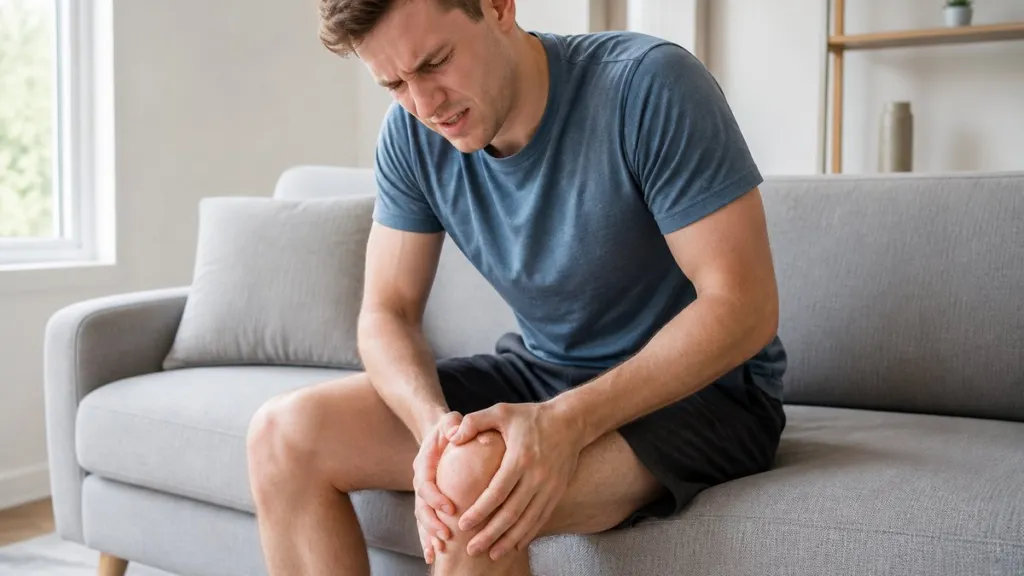
Knee pain often changes how you move through an average week, yet it may seem minor at first. When every step feels stiff or unsteady, you start planning routes around stairs and long parking lots. Some people stay active despite discomfort, while others limit movement and lose strength over time. Daily choices shift in small ways that add up.
When to Treat Knee Pain
Some soreness settles with rest. Persistent or worsening knee pain deserves a closer look. If walking across a parking lot leaves you limping, then the joint needs more than occasional stretching. Swelling, locking or catching sensations, or a feeling that the knee might give way all point toward structural issues. When discomfort disrupts sleep or prevents you from working, an assessment by a medical professional becomes the next step. Early evaluation aids treatment options, and it helps you avoid habits that place more stress on the joint. Before an appointment, track when the pain starts, what movements trigger it, and how long stiffness lasts in the morning.
That information gives the specialist a clear picture. It also helps measure progress. Bring notes about previous injuries or surgeries, and list any activities you want to return to. A structured plan might include targeted exercises, activity modifications, or other interventions, and each element works together to support the knee. With the right guidance, many people return to their usual routines with less discomfort and better joint control.
What are the Discomfort Sources
Knee pain often links back to a mix of joint structure, daily workload, and previous injuries, and each factor influences the others. A past ligament sprain may heal, yet the joint remains slightly weaker, and that weakness affects how you step on uneven sidewalks in neighborhoods. Extra body weight places more load on the knee with every stair. That steady compression stresses cartilage and soft tissues. Some people notice more discomfort after seasonal chores, while others feel it during specific exercises at the gym.
- Work or sport Overuse: Repeated squatting, lifting, or running increases stress on ligaments, tendons, and cartilage.
- Injury: Old sprains or tears alter joint mechanics, and that change leads to new aches during daily tasks.
- Age-related joint changes: Cartilage wears down over time, so everyday movement sometimes leads to stiffness and swelling.
- Muscle weakness or tightness: When hip or thigh muscles lack strength or flexibility, the knee takes on more load.
- Footwear or hard surfaces: Walking long distances on concrete in unsupportive shoes affects alignment with each step.
Ways to Alleviate Knee Pain
Small adjustments often reduce strain on the joint, and they fit into a normal schedule. Short walking breaks during the workday keep the knee from stiffening, and they also help circulation in the lower leg. When you use stairs, a handrail gives extra support, and it lets you place weight more evenly through the foot. Low-impact exercise such as cycling or pool walking builds strength without the same pounding forces as running. It supports joint stability. Simple home strategies work best when you apply them consistently, and they pair well with guidance from a healthcare professional.
Book an Appointment Today
If knee pain is changing how you move through work, errands, or recreation, schedule a visit with a provider. An evaluation identifies what drives your symptoms, and it helps you choose realistic next steps for relief and function. Reach out to an orthopedic provider to discuss your knee concerns. Explore treatment options that match your daily demands.
- Internal Medicine and Building Strong Relationships with Your Healthcare Provider
- Recognizing Potential Complications From Cysts on the Eye
- What To Expect During Your First Tree Service Consultation
- Innovative Uses of Cryoablation in Pain Management and Treatment
- Exploring the Long-Term Outcomes of Mohs Surgery for Skin Cancer Patients