

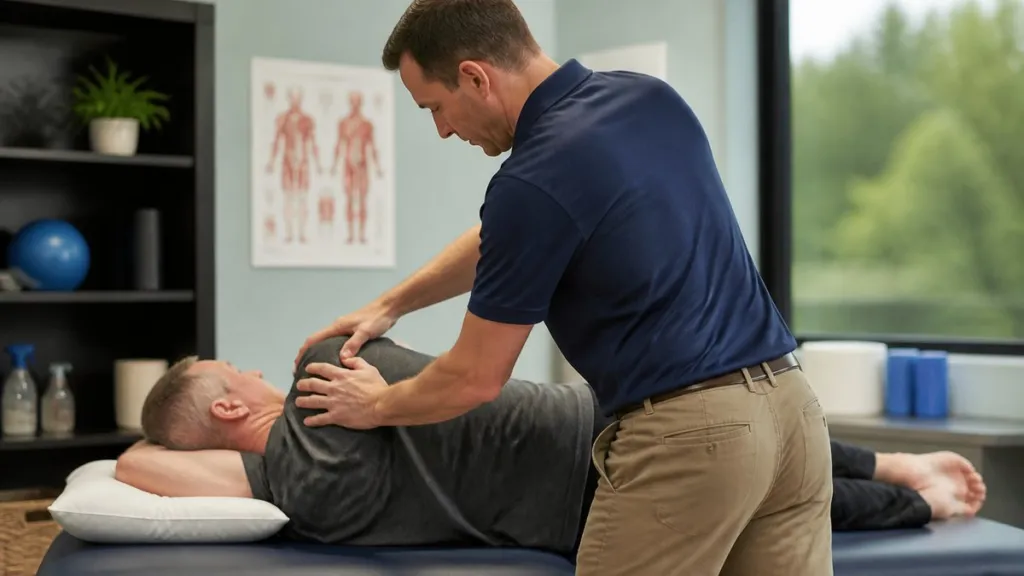
Pulmonary rehabilitation helps people with chronic lung conditions improve their breathing, and each program combines supervised exercise with education on lung health, breathing techniques, and daily habits. The goal is to help patients build endurance and reduce breathlessness during routine tasks, so they better understand their condition. Education plays a central role because the skills patients learn in sessions carry over into daily life at home. This guide is one of the free everyday reads on Math Tutor Org. Here’s more information on the role of education and exercise in a pulmonary rehab care plan:
How Do Rehab Sessions Work?
Most pulmonary rehab programs are held in hospitals or outpatient clinics, with patients attending two to three sessions per week for six to 12 weeks. Before the first session, a specialist reviews the patient’s medical history, measures lung function, and may conduct a walking test to establish a baseline. Each session focuses on two core components: exercise training and education. Exercise training includes supervised activities such as treadmill walking, stationary cycling, and light strength training for the arms and legs.
Education includes group or one-on-one classes on key topics like lung anatomy, breathing techniques, medication use, energy conservation, and nutrition. Exercise strengthens the muscles that support breathing, and education helps patients apply these skills outside the clinic. Staff members monitor oxygen levels, heart rate, and blood pressure during exercise. Intensity increases gradually as patients build tolerance. Patients will set personal goals with their care team at the start of the program, which specialists adjust as progress continues. Specialists also reassess progress at the end to measure changes in endurance and breathing.
How Do Sessions Manage Symptoms?
Specialists teach practical techniques that help patients respond to shortness of breath, coughing, and fatigue. Some common strategies include:
- Pursed-lip Breathing: Inhaling through the nose and exhaling slowly through pressed lips to slow the breathing rate.
- Diaphragmatic Breathing: Using the diaphragm instead of the chest muscles to take deeper, more efficient breaths.
- Airway Clearance: Controlled coughing and body positioning techniques that help loosen mucus.
Patients also learn to recognize early signs of a flare-up, such as increased mucus or worsening breathlessness. Many programs provide a written action plan, and patients review it with their care team before the program ends. Some sessions also address stress management, since anxiety can make breathlessness more intense.
What Treatments Complement Rehab Plans?
Pulmonary rehab often works alongside other treatments prescribed by a doctor; education sessions help patients understand how these treatments fit into their overall care plan. Doctors may prescribe bronchodilators to open the airways, inhaled corticosteroids to reduce inflammation, or antibiotics to treat infections. Many patients use inhalers incorrectly without realizing it. Rehab specialists often review proper inhaler technique to help patients get the intended dose.
At-Home Equipment
Some patients need at-home equipment to support breathing, including devices like portable oxygen concentrators and nebulizers. Continuous positive airway pressure (CPAP) machines keep the airway open during sleep for people with obstructive sleep apnea. Respiratory therapists can show patients how to use, clean, and maintain this equipment safely.
Lifestyle Changes
Diet and exercise habits can affect how patients breathe day to day, so they are common discussion points during rehabilitation. Dietitians may recommend smaller, more frequent meals for patients who experience breathlessness after eating. Maintaining a healthy weight can reduce strain on the lungs, and regular activity at home helps patients keep the endurance they built in rehab. Quitting smoking and avoiding lung irritants are also common topics in education sessions.
Try Pulmonary Rehab to Breathe Easier
Pulmonary rehabilitation provides structured exercise training and practical education about someone’s lung condition, helping many individuals manage symptoms more effectively at home. A respiratory doctor can determine whether pulmonary rehab is appropriate for you based on your diagnosis and overall health. Scheduling a consultation is the first step toward better health, and a qualified respiratory therapist can provide the guidance you need. Ask your primary care provider or pulmonologist for a referral to a local rehab program in your area.
Find more practical guides on Math Tutors.org.
- Internal Medicine and Building Strong Relationships with Your Healthcare Provider
- Recognizing Potential Complications From Cysts on the Eye
- What To Expect During Your First Tree Service Consultation
- Innovative Uses of Cryoablation in Pain Management and Treatment
- Exploring the Long-Term Outcomes of Mohs Surgery for Skin Cancer Patients