
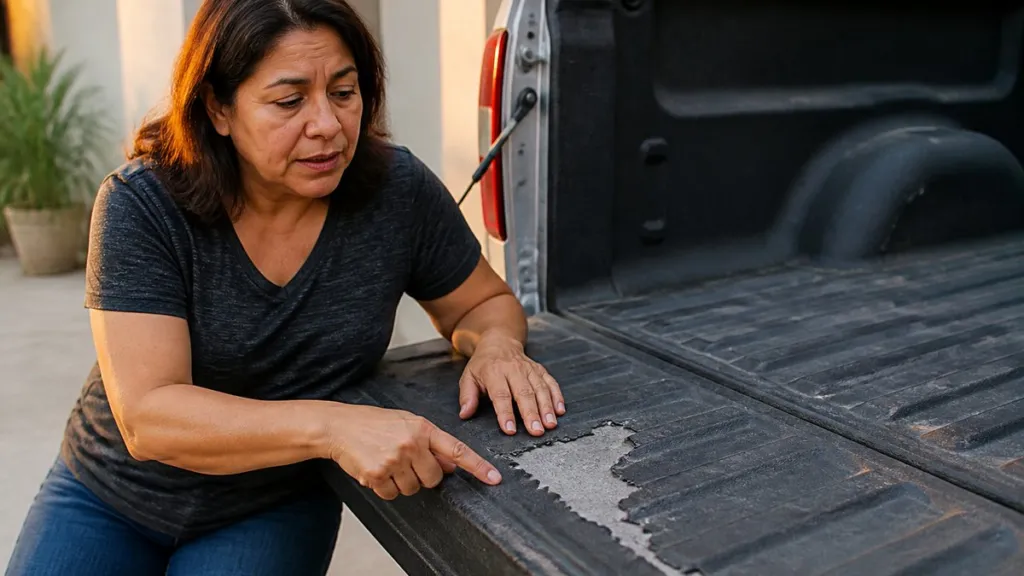
A peeling truck bed liner may point to poor surface preparation or weak adhesion. The coating may begin to lift in small patches, and damage beneath it can increase the work needed for repair. Loose sections need to be removed before a new coat is applied, since they cannot provide a stable base for the new coating. This article is part of the everyday learning and lifestyle library on Math Tutor Org. Here is what to do if your bed liner spray kit starts to peel:
Identify the Cause of Peeling
A bed liner spray kit needs a clean, properly prepared surface to bond durably. Strong adhesion depends on surface preparation, primer compatibility, accurate mixing, and even application. Peeling often points to a problem with one or more of these steps, so inspect the coating and review the original application process.
Different surfaces require specific preparation methods before coating. A compatible primer helps the liner bond to the substrate, and the primer choice depends on the surface material. The resin and hardener must also follow the specified mixing ratio, whether measured by weight or volume, to make sure it sticks correctly.
Uneven coverage can leave weak spots that separate from the surface during use. Inspect the damaged area for lifted edges, cracks, and exposed metal. These signs indicate coating separation, while surface scuffs may affect only the outer texture. Review how the surface was cleaned, abraded, primed, and coated to identify possible causes.
Assess the Damaged Bed Liner
The extent of peeling helps determine how much of the existing liner must be removed. Damage may remain confined to a small patch or spread across a larger section of the truck bed. The edges of each damaged area often reveal whether the coating has separated locally or across a wider surface. This assessment helps define the repair scope before work begins. An older, faded spray-on liner may still accept a fresh coating if it remains firmly bonded and is free of:
- Oil
- Dirt
- Debris
Prepare the Surface for Repair
The coating’s thickness and adhesion determine how it should be removed. A steel scraper lifts loose edges, and an angle grinder with a stripping disc removes thicker layers. For grooves and recessed areas, an orbital sander removes any coating left after the first stage of removal.
Removing old coating and smoothing raised metal prepares the truck bed for a more even finish. Sanding and grinding can also uncover damage beneath the liner. Steel beds need surface preparation, such as abrasion, grit-blasting, or etching, to help the new coating adhere. Bare metal may need near-white metal blast cleaning and a specified surface profile before application.
Reapply the Bed Liner Correctly
New coatings need the correct mix and even coverage to cure properly. Mix the resin and hardener according to the kit instructions, since incorrect proportions can affect the coating. The mixed material also has a limited working time, so follow the kit instructions. Cooler temperatures can extend the time needed for the liner to cure. Thicker coatings also need more time, so the curing period should match the coating’s thickness and the surrounding temperature.
Explore Bed Liner Spray Kits
A peeling bed liner spray kit needs proper surface preparation, accurate mixing, and adequate curing to achieve a durable finish. Removing compromised coating helps restore adhesion, and following the application instructions supports a consistent finish. Bed liner guides explain how to prepare the truck bed and apply the coating, and specialists can help you choose a suitable repair method. Speak with bed liner specialists for help choosing a coating and preparing your truck bed.
Find more practical guides on Math-Tutors.org.
- Internal Medicine and Building Strong Relationships with Your Healthcare Provider
- Recognizing Potential Complications From Cysts on the Eye
- What To Expect During Your First Tree Service Consultation
- Innovative Uses of Cryoablation in Pain Management and Treatment
- Exploring the Long-Term Outcomes of Mohs Surgery for Skin Cancer Patients